



Kath Harris
Vice President of Global People Operations, National Grid
Industry
Energy, Utilities, and Resources
Our role
Workforce & HR Transformation
Featuring
SAP

Affordable, reliable and secure energy is fundamental to economic growth. In the UK and the North East US, National Grid plays a pivotal role in keeping energy flowing for the 28 million people it serves, supporting homes, businesses and communities every day, “making sure that the lights are on and the gas is flowing” says Kath Harris, their Vice President of Global People Operations.
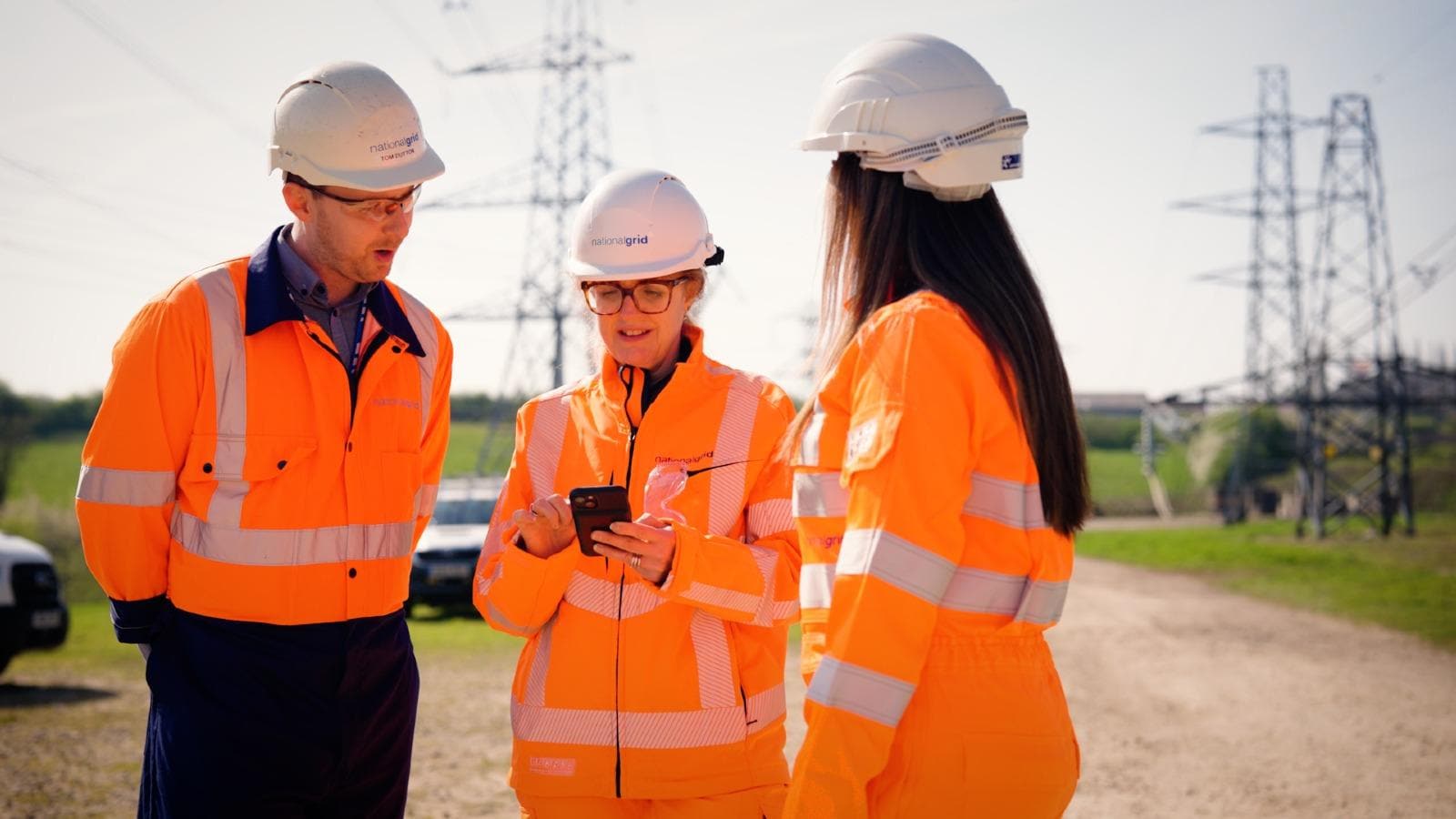
“We do important work,” says Steve Raymond, Chief People Officer, HR Operations and Transformation at National Grid. That is clear in the scale and complexity of the infrastructure National Grid operates which includes towers, substations and underground cables and interconnectors, alongside the transmission and distribution networks that move the power to where it is needed most. This is practical, essential work: connecting homes and businesses, strengthening energy security and enabling the investment needed for future growth.
A highly skilled workforce is critical to that mission. From engineers and field teams to planners, digital specialists, corporate functions and customer-facing colleagues, National Grid depends on people with the right skills, in the right places. This is supported by systems that help them do their jobs well. As energy demand grows, empowering that workforce has become even more important.
Video
National Grid SAP
4:50
More tools
Transcript
High-stakes investment for growth
National Grid is investing £70 billion over the next five years to enhance networks across the UK and US. This is central to the company’s strategy: strengthening resilience and reliability, unlocking capacity and supporting economic growth while also enabling the transition to a cleaner energy future.
“You cannot grow as a country or community without an affordable, reliable and secure energy supply,” Raymond says. National Grid is “right at the centre of that”. Antony Cook, Sector Leader for Power and Utilities at PwC UK also emphasises the value of this once-in-a-generation investment: “Energy security is economic security. Coordinated action between government, business and investors is essential to ensure reliable and competitive energy for all.”
Jeremy Lief, HR Transformation and Technology Lead Engagement Partner at PwC UK, adds that “high energy costs and increasing demand have been a real barrier to growth for industries, manufacturing in particular, and therefore a barrier to growth for the UK economy.”
Liberating the workforce through technology
Working in collaboration with PwC and SAP, National Grid is modernising its global HR and UK payroll technology and processes. As Lief highlights, their landmark People Digital Transformation Project, "sets up the foundation upon which National Grid can build the workforce of the future." This first step supports the people who will deliver the company's investment plans for customers and communities.
The need for change was clear. Legacy HR systems were fragmented, outdated and difficult to navigate. Replacing them with a single, standardised global HR system is simplifying processes, improving consistency and giving colleagues and managers better access to the tools they need.
These new systems are also helping National Grid build resilience for the future. Rob Mooney, Head of SAP SuccessFactors UK & Ireland, says the cloud-based platform provides the “foundations to adopt new AI innovation as that comes along.”
Just as important is the data behind the platform. “Having access to critical workforce data is so important to adapt to change and to apply the right strategies to support decision-making,” Mooney says. With one source of truth for properly structured workforce data, National Grid can make better, faster decisions - improving visibility, efficiency and reliability. Harris describes this as being “more intentional” in how the organisation acts.
To date, 20,000 colleagues have migrated to the new platform, with 6,000 moving to the new UK payroll solution, Employee Central Payroll. It is already “making people’s lives easier, holistically,” says Raymond.
With National Grid providing critical infrastructure, Mooney adds, “it’s so important that the technology is right and that it works for the organisation.” But technology is only one part of the equation.
People-first transformation
Every successful transformation has people at its core, and this project is no exception. For National Grid, workforce capability is central to delivering its strategy. The company needs people who can operate and maintain today’s networks while also building the infrastructure, digital capability and customer solutions needed for the future. It supports that through practical training and development, including apprenticeships across engineering, technical, digital, IT, business, HR and commercial skills.
Freeing up employees and managers from unnecessary HR admin gives them more time to focus on safe, reliable delivery for customers. These changes may be incremental day-to-day, but at scale they help build the productivity, consistency and resilience needed to deliver National Grid’s investment programme.
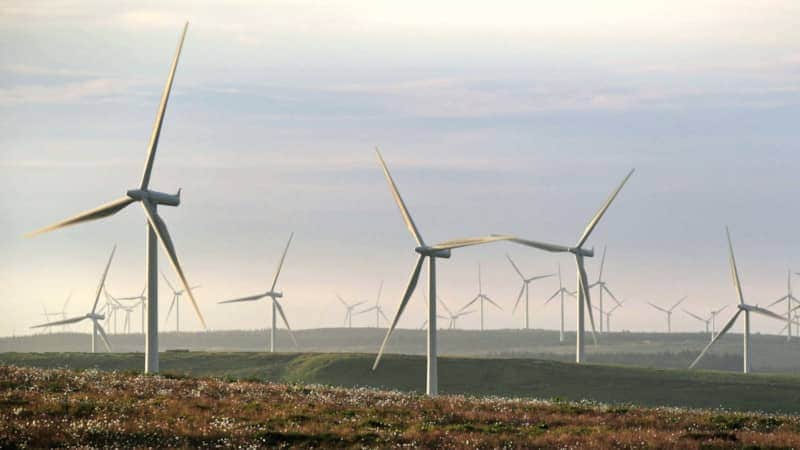
The impact on the workforce will be significant. Building new electricity transmission infrastructure is expected to create a further 130,000 jobs across the industry, including engineers, surveyors, construction specialists and apprentices. Additional skills will also be needed across related sectors, from solar and wind to electric vehicles and heat pumps.
A collaborative, ground-up implementation
A people-centred approach was critical to implementation. Vasiliki Dusoe-Galanis, New England Transformation Divisional Lead at National Grid, explains that the team focused on a “shift in change management from change happening to them to change happening with them.”
Understanding the issues on the ground was essential. Harris says the team “consulted with the colleagues who would be using the system on a day-to-day basis.” By drawing on existing relationships built on trust and transparency, National Grid was able to implement change more effectively across the complex organisation.
That approach reflects a broader principle in National Grid’s transformation: delivery happens through people. Technology can simplify processes and improve insight, but lasting change depends on colleagues understanding the purpose, seeing the benefit and feeling supported through implementation.
A global, integrated approach
None of this would have been possible without a shared delivery mindset across National Grid, SAP and PwC. “We operated as one team, working together to solve problems and identify opportunities jointly,” says Lief.
With these foundations now established, National Grid is better positioned to deliver the next phase of its strategy. Lief describes the work as a “phenomenally successful HR transformation.”
But the significance of the programme goes beyond HR. It is part of the operating backbone National Grid needs to deliver its wider ambition: investing in the networks customers rely on today, building the infrastructure needed for tomorrow and enabling economic growth through affordable, reliable and secure energy.
National Grid, SAP and PwC have delivered an important foundation. Now, the focus is on what that foundation enables: a stronger workforce, better data, simpler processes and greater capacity to deliver a once-in-a-generation transformation of the energy system.
Our contributors:
Steve Raymond
Chief People Officer, HR Operations and Transformation, National GridVasiliki Dusoe-Galanis
New England Transformation Divisional Lead, National GridRob Mooney
Head of SAP SuccessFactors UK & Ireland, SAPAntony Cook
Sector Leader for Power and Utilities, PwC UKJeremy Lief
HR Transformation and Technology Lead Engagement Partner at PwC UKFeatured client stories

PwC and SAP
Power and Utilities
Contact us




HR Transformation and Technology Lead Engagement Partner, PwC United Kingdom
Tel: +44 (0)7718 339701
Follow us


