



A progress update of this case study is now available, but we recommend reading this original version (from 2022) first for important background and context.
Read the progress update Read the full report
For the most part, in the UK drones must be flown VLOS (visual line of sight) (typically no more than 500 metres from the pilot). BVLOS (Beyond Visual Line Of Sight) flights are generally not allowed except in a Segregated Airspace corridor where no other traffic is permitted to fly and then only after case-by-case authorisation from the CAA. However, BVLOS flights have the potential to bring a number of benefits to UK drone operations. In our Future Flight Challenge Report, we compared VLOS drone powerline inspection with its BVLOS equivalent and noted a 35% cost saving, along with significant efficiency, staff safety and quality benefits. This scenario featured an Edinburgh based pilot over-seeing the flight of a VTOL (vertical take off and landing) drone which inspected powerlines that were many miles away in central Scotland. There are several challenges to overcome to realise these benefits, from drone and battery technology to holding “business as usual” permission to fly Routine BVLOS in Unsegregated Airspace.
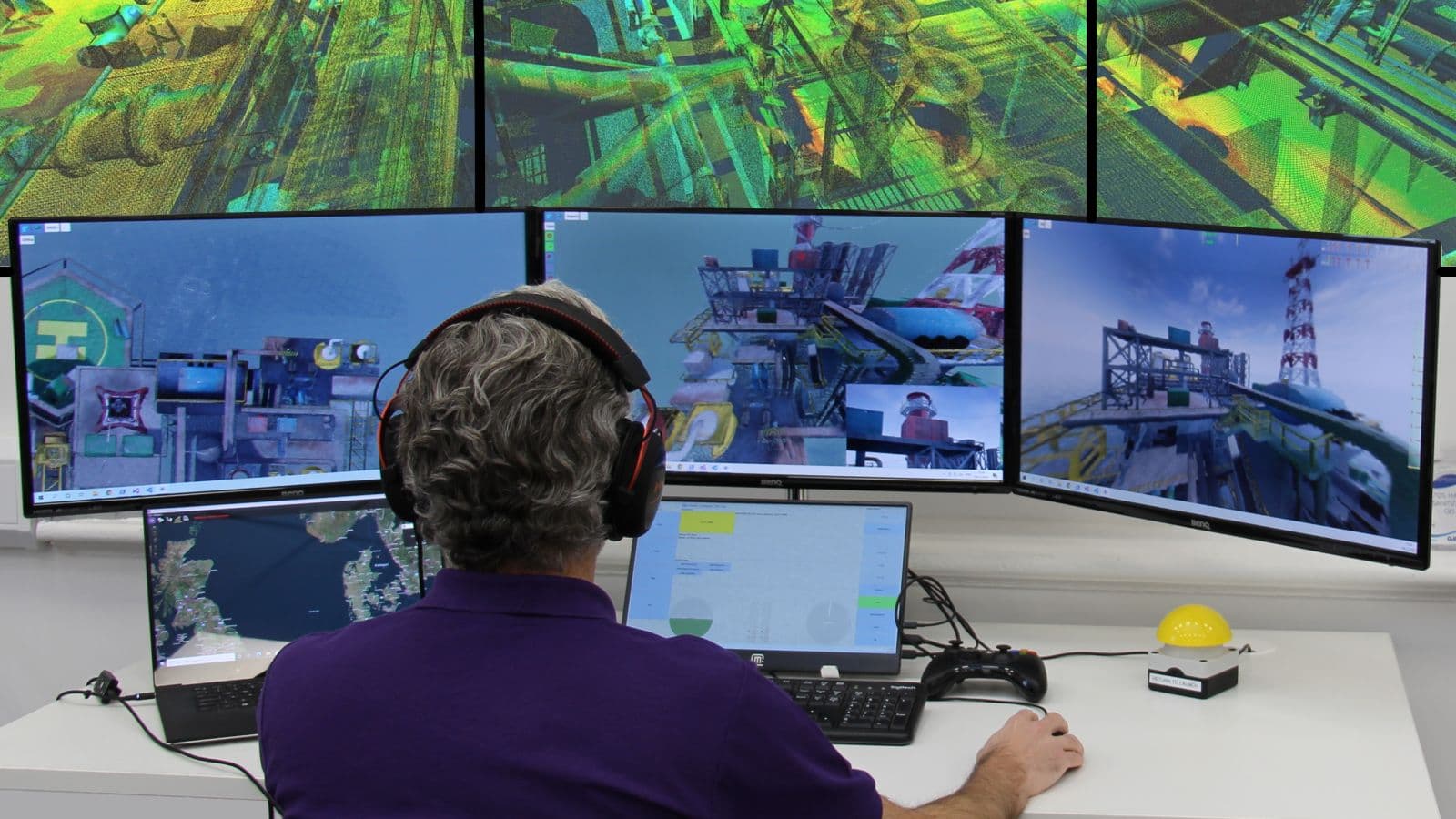
sees.ai is one of the first UK drone operators to be granted permission to fly Routine BVLOS flights in Unsegregated Airspace (at specified locations) without pre-authorisation for each flight. Their remote pilot is able to design and oversee routine drone operations at a separate location from where the data is captured. sees.ai’s clients include electrical utilities, oil and gas sites and large infrastructure projects. Their remotely-piloted BVLOS drones can capture inspection data at close quarters at a comparable quality to VLOS, but with the added benefits of standardisation and the ability to scale up operations more simply and cost-effectively.
“After several years of experimentation with drones, our industrial partners and clients understand that remote operation and autonomy is key, so we are working with them and the Regulator towards making BVLOS operations routine in industrial contexts.
We leverage advanced onboard autonomy and real-time 3D mapping to present a solution that is more capable both from a performance and permissions point of view. This means we are able to address a wider range of missions, capture better data; and present it in a better way.
Cost savings for monitoring and inspection range from 30-60% depending on the nature of the operation and factors such as the degree of hazard and access involved. But saving money on inspections is rarely the primary objective – instead the aim is to improve inspections in order to reduce expenditure on maintenance and increase the performance of the world’s most valuable assets. The system is safer and greener than conventional methods of monitoring and inspection, which also enhances its appeal.”
sees.ai
These sees.ai permissions pave the way for an exciting growth in BVLOS drone operations over the coming decade. We expect a combination of drones flying from a central location to their point of use and drones housed near the point of use being operated remotely. Indeed, future BVLOS drone operations may not even require a pilot, with missions simply launched by those that require them to meet inspection schedules or respond to alerts, for example. Although we can already see global examples of this operating model, technology and legislative developments will be required for them to become business-as-usual in the UK.
This case study is an extract from the report
Skies Without Limits v2.0