



What is net risk?
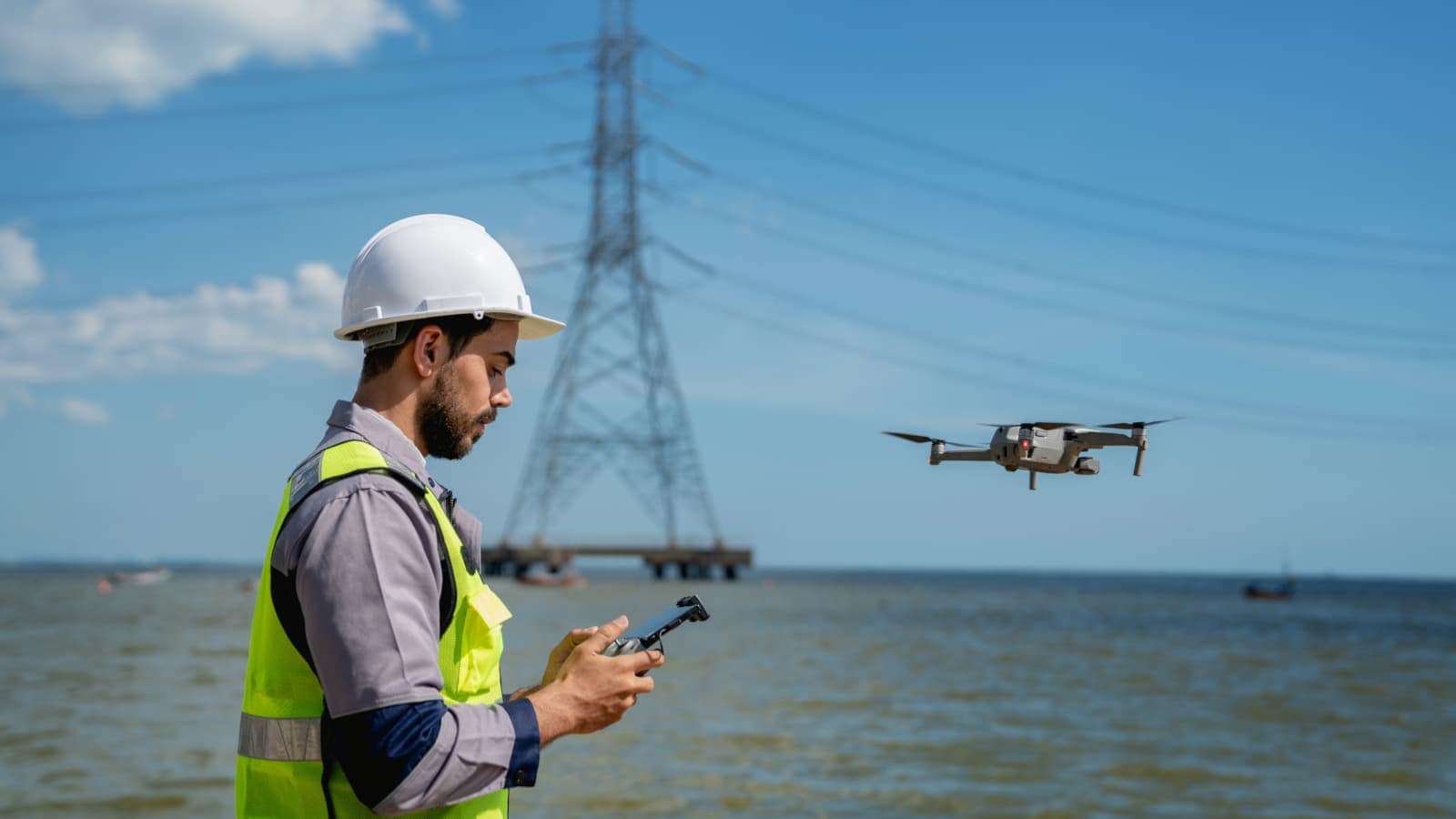
If commercial drones replace dangerous tasks like working at height, they reduce overall harm - net risk to society is lower.
Approach
In this paper we consider the risk perspective of specialist drone insurers who cover Comparable Countries (US, EASA member states, Canada, Singapore) and offer real-world insight because they have skin in the game. We analyse reported commercial drone incidents in the UK and Comparable Countries from 2022-2024 and conclude that commercial drone risk is intrinsically low. If drones replace traditional ways of completing dangerous tasks, they reduce overall harm and increase societal benefits.
We analyse the regulatory approach in Comparable Countries and find no evidence that the UK’s more complex and cautious regulatory stance has delivered safer skies than found in Comparable Countries, where expectations are clear (prescriptive) and more non-standard flights are allowed (permissive). There is, however, evidence the UK’s approach has delayed progress.
Next steps
Drawing on these findings, we suggest that the UK regulator picks winners and focuses on delivering prescriptive regulations (such as Pre-Defined Risk Assessments, PDRAs), rather than trying to solve everything for everyone and focussing solely on the expensive and complex SORA (Specific Operations Risk Assessment) process. We assess potential priority BVLOS (Beyond Visual Line of Sight) use cases using the following criteria:
- Tangible benefits, including net risk
- Relatively low aviation risk
- Minimal regulatory complexity to implement
- Clear end client “pull”
We suggest a focus on developing PDRAs for these use cases:
- Emergency response
- Powerline inspection
- Maritime and coastal search and rescue
- Rail inspection
- Crop spraying and seeding
A change in mindset could give the UK an opportunity to enable safe, cost-effective BVLOS drone operations more quickly. Organisations are calling for this, but without it, they continue to use riskier legacy approaches (such as helicopter flights or working at height) where drones could be equally or more effective.
Read the full report
UK drone regulations and net risk: Balancing risk to unlock growth and save lives

Contact us