



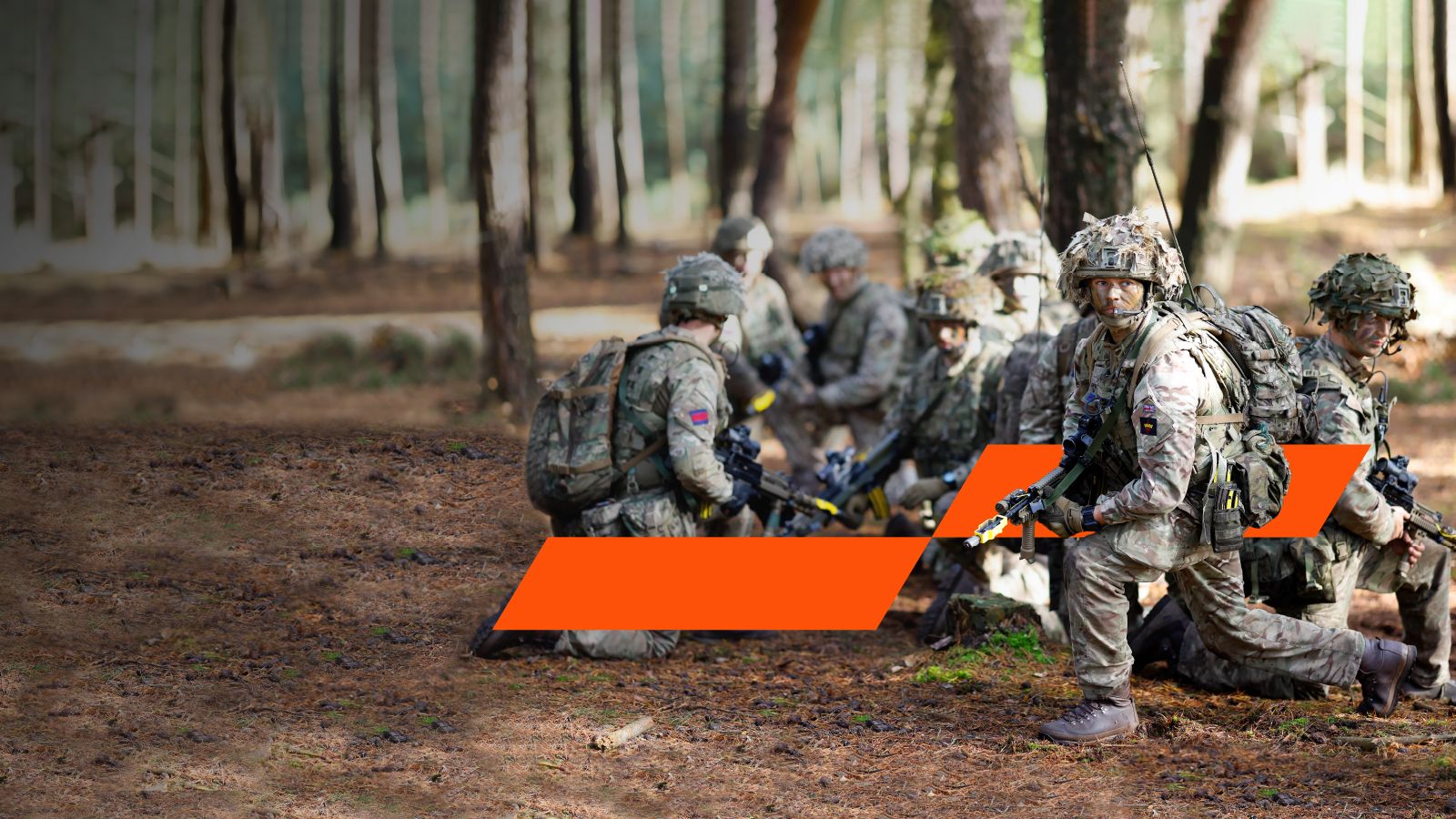
Concern has intensified around the UK’s ability to defend itself against cyber-attacks and sustain modern conflict, our research shows. The public is largely behind defence spending plans and prioritise increasing the size of the Army, bolstering missile defence capabilities, cyber and the UK’s ability to support sustained conflict.
Our survey, of 3,000 members of the UK public aged 16+, reveals public backing for strengthening the nation’s industrial base to support the forces’ agility and capability. Plus, a strong desire to know more about defence spending, and an awareness that it could do more to drive economic and industrial growth while safeguarding our security.
Recruit, retain and respond
Our research shows 14% of 16-17-year-olds would be willing to enlist, and most young people are open to contributing to defence efforts, whether in military or civilian capabilities. But it raises questions around the forces’ ability to convert this interest into full-time military roles, reservist, or civilian jobs.
It highlights the need for an improved recruitment process and a greater focus on career pathways – that is better communicated by the forces. The research further points to the importance of building our resilience as a society, and what people’s role in that might be.
For UK society to pull together effectively in response to major disruptions, such as attacks, disasters, health crises, or infrastructure failures, there is a need for a comprehensive approach to national resilience and defence, that is led by greater cross-sector collaboration.
Threats to the UK
Our research shows a marked shift over the last decade in the public perception of threats to the UK. Concerns around cyber-attacks, potential nuclear attacks and the threat of conflict involving an aggressor state in the Europe and Atlantic areas have risen steeply. At the same time, while organised terrorism at home and lone wolf attacks are still feared, they are less of a public concern than a decade ago.
The rise in concern around cyber-attacks, from 11% in 2015 to 23% this year, arguably stems from the very visible and increasing number of recent attacks on household brands and global corporates. Meanwhile, news coverage of the fractured geopolitical landscape fuels a public wariness of war, nuclear attacks and of conflict spreading.
What type of attack, if any, do you perceive as the biggest threat to the UK in the near future?
*Conflict involving an aggressor state was not polled in previous surveys
Military strength
Over the last decade, we have seen a growing public appetite for stronger military capabilities, with support for increased military strength climbing from 53% in 2015 to 66% this year. This increase tracks rising Russian aggression and is consistent with the public belief that the forces’ primary role is to defend the UK against threats and attacks from outside, intervening abroad where necessary.
It follows too, that the UK’s key international alliances are all considered important by the public – with NATO foremost in military terms. Since 2017, in the wake of Brexit, the UK's relationship with Europe is the only one that has gained importance with the public. By contrast, the perceived importance of the UK’s relationships with the UN and the Commonwealth have all declined slightly.
Thinking about the next 10 years, would you like to see Britain’s military strength increase, decrease, or stay the same?
Industrial base
Despite being divided on any duty to ‘buy British’, the public is largely united (67%) in agreeing the UK’s industrial base needs significant strengthening, or strengthening, to support the forces. This demonstrates an understanding that a robust industrial base ensures a consistent supply of weapons, vehicles, technology, and other necessary resources, enabling the military to function effectively, respond to threats and to be able to scale to support conflict.
Looking at the actions the Ministry of Defence (MoD) could take to drive industry, and in turn create jobs and power economic growth, the public would like it to prioritise faster defence procurement and entry into service of new equipment (36%). The public also favours support for high tech manufacturing, the better exploitation of digital technology and the greater backing of UK SMEs.
Do you think that the UK industrial base is strong enough or needs strengthening to support the British Armed Forces including during conflict?
Defence spending
In response to the changing nature of perceived threats, more than a third (37%) think the Government should accelerate its commitment to increase defence spending to 2.6% in 2027 and to 3.5% in 2034. Only 11% think the commitment should be slowed, while 28% believe it should stay at the same pace. Despite support for an increase in accelerated spending, there is a need to further understand how far the public might support potentially difficult budgetary choices in the near term to ensure the forces are ready and able in the event of conflict.
The Strategic Defence Review identified several areas that could benefit from increased defence spending. Given these options, the public want to see the MoD prioritise spending over the next five years on increasing the size of the Army (35%), on missile defence for the UK (34%), cyber (32%) and the ability to support sustained conflict (28%).
The Government has committed to increase defence spending to 2.6% in 2027 and to 3.5% in 2034, the latter to meet its new NATO target. Should this be accelerated or slowed?
Transparency & communications
Despite being largely in support of spending plans, public awareness of how the forces contribute to the wider economy, how much is spent on the forces and what the forces spend their money on is somewhat weak. It is clear the armed forces have not done enough over the last decade to improve the way they communicate to the public. Only 27% of our survey respondents think the forces are good at communicating with the public – an increase of just one percentage point from the first time we asked the public in 2016.
Most people agree “it’s important for people like me” to understand what the forces are doing, both home and abroad, and it’s clear they want to know more. Some 58% say they want more information about how the forces are keeping the nation safe, and 55% want to know more about how money is spent by the forces.
Please indicate your level of agreement with each of the following statements about the level of communication from the leaders of the British Armed Forces.
Career pathways
While there is widespread support for the armed forces and recognition of their contribution to society as an employer, people are divided on what role they would be willing to take personally in protecting the country. Those willing to join the forces full time, or the Reserves, are in the minority (21% across all ages).
Overall, public opinion in the UK is divided as to what opportunities in defence people would favour. The younger age groups, express a mixed preference for civilian service for a limited period, contributing to national defence and security without military duties, the creation of ‘zig-zag’ careers and more incentives to retain veterans by better engaging them in the Reserves. Those 55+ show more support for a Scandinavian model of conscription and mandatory military service. Overall, policies that centre around retaining former soldiers are most favoured by the public.
Which of the following would you personally consider doing to contribute to defence as a national endeavour?
“As defence spending increases, there will be difficult choices between developing new capabilities and sustaining readiness to fight. There's an opportunity to put the UK’s considerable financial muscle to better use. With the right strategies, we can improve our military readiness, provide value for money, and increase the pace of procurement – while delivering growth for the economy.
The forces have the support of the public; the challenge lies in harnessing that goodwill to encourage more people to contribute to defence efforts, whether in military or civilian roles. Such high levels of public support should also give policy makers license to be bold and invest in the modernisation of industry to support agile, responsive armed forces.”
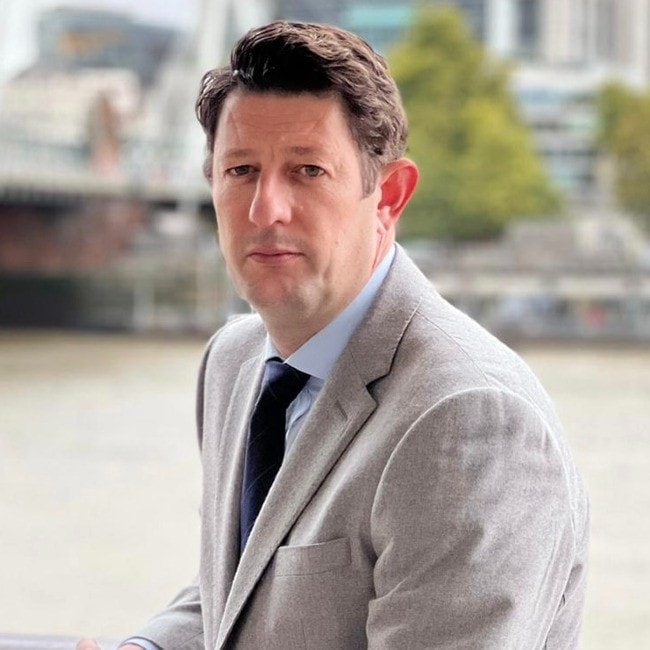
Ian Hillier
UK Defence Leader, PwC UK
Forces for Change
Exploring public attitudes towards the British Armed Forces
Contact us



Partner, Aerospace & Defence Consulting Leader, PwC United Kingdom
Tel: +44 (0)7483 148229


