



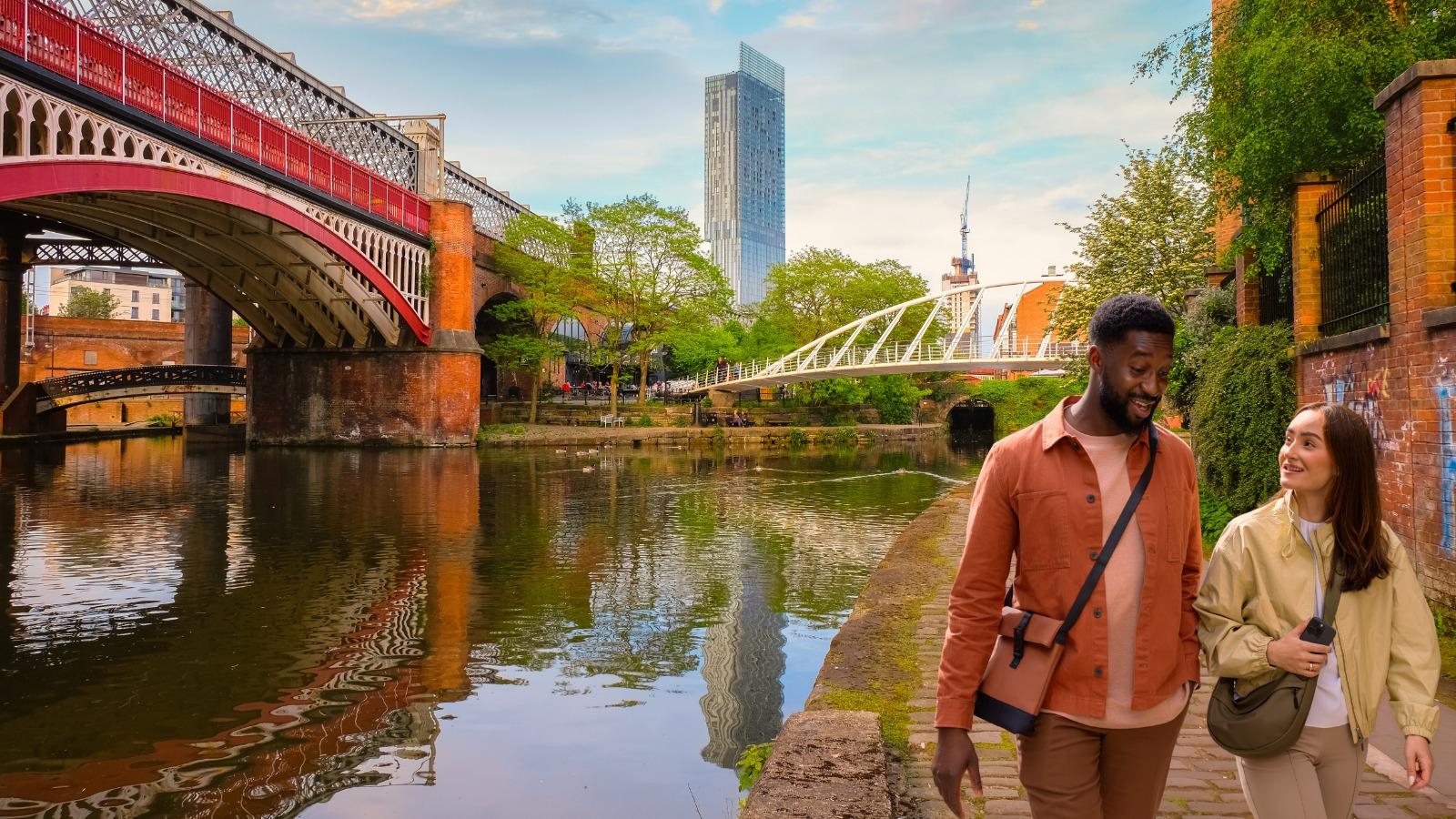
Transformation through urban renewal and regional balancing

Good growth in Stockport

Stockport is emerging as one of the UK’s most investable and forward-thinking boroughs, repositioning itself through regeneration, strategic partnerships, and bold civic leadership.

Now delivering the UK’s largest town centre regeneration, Stockport is using regeneration as a lever for inclusive growth and long-term economic rebalancing as a place where people choose to live, invest and grow businesses.

Rebalancing regional growth

Stockport’s unique position within the Greater Manchester economy has often been shaped by proximity to the regional centre. That’s now changing. With a clear place vision, strong institutional foundations, and an appetite to lead, the borough is redefining its role as a key economic driver in the North West.

The One Stockport Economic Plan sets out the borough’s ambitions through to 2031, aligning closely with the Greater Manchester Strategy’s industrial priorities. It builds on Stockport’s strengths in high growth sectors such as health, life sciences, and digital services, while also focusing on inclusive growth and strengthening the borough’s role within Greater Manchester. This vision is shaped by the Stockport Economic Alliance – a long-standing partnership of public, private and third-sector leaders – which plays a key role in ensuring the plans meet the needs of employers and local communities.

This collaborative approach has already underpinned significant regeneration milestones, including new investment, infrastructure upgrades, and delivery at pace on complex brownfield sites.

Connecting people to growth

The most visible marker of change in Stockport’s regeneration is Town Centre West – a 130-acre brownfield site which will deliver 4,000 homes and new commercial space over the next 10-15 years.

The area is being developed through the Mayoral Development Corporation (MDC), a partnership model that has given Stockport more control over the pace and direction of change. The MDC model is now attracting national attention as a blueprint for place-based delivery, with Stockport leading the way on brownfield-first growth, strategic investment, and town centre reinvention.

The mix of workspace, public spaces and active transport is designed to attract businesses that might previously have defaulted to Manchester. By combining proximity to the city centre with a distinct place identity and more affordable costs, Stockport is starting to compete on its own terms. Projects like the redevelopment of Merseyway Shopping Centre, the arrival of new hospitality and leisure venues, a regular programme of events and the creation of community spaces are, along with new housing, helping to diversify the town centre and attract new visitors.

“For regeneration to really matter, people have to feel it. When residents take pride in their town centre, when they can see change happening and know it’s for them, that’s when growth becomes real. It’s not just about new buildings or infrastructure, it’s about creating places where communities feel valued, connected and optimistic about the future.”

Michael Cullen, Chief Executive, Stockport Council

The Council took a proactive role in creating the MDC, committing land, staff and early investment ahead of confirmed funding. This approach carried risk but also enabled Stockport to shape the form and pace of development.

Transport improvements are also making the town's growth and regeneration more accessible. The Stockport Interchange is a new hub that integrates regional bus services with walking and cycling infrastructure. In June 2025, the UK Government confirmed a £2.5 billion transport settlement for Greater Manchester, including support for the extension of the Metrolink East Didsbury line into Stockport town centre, which is expected to strengthen Stockport’s position in the regional labour market and reduce reliance on car travel.

An evolving model of urban renewable

Stockport’s experience illustrates how a medium-sized town can deliver large-scale regeneration by combining bold local leadership, institutional innovation through models like the MDC, and a commitment to true collaboration. At the heart of this transformation is a deep belief in partnership between the public and private sectors, across Greater Manchester, and with communities themselves.

From the outset, regeneration in Stockport has been shaped not just by strategy but by shared ambition, whether that is working with Homes England and major investors to unlock housing or partnering with transport bodies to deliver a more connected town centre. While progress is evident, challenges remain. These include ensuring that housing delivery keeps pace with demand, maintaining affordability, and securing long-term benefits for local communities.

The next phase will be critical in consolidating these gains. It will focus on converting visible physical change into lasting economic benefit, maintaining both affordability and the pace of housing delivery, and supporting a vibrant ecosystem of cultural activity, tourism, and local enterprise. Sustaining momentum will depend on continued collaboration between the public and private sectors, underpinned by a strong sense of community ownership. The town’s approach has generated national interest as a potential model for urban renewal and now faces the task of sustaining momentum and translating ambition into lasting public benefit.

Contact us

Rachel Taylor

Rachel Taylor

Leader of Industry for Government and Health Industries, PwC United Kingdom

Tel: +44 (0)7841 783022

Carl Sizer

Carl Sizer

Chief Markets Officer, PwC United Kingdom

Follow us